No.
Yes.
DefaultFileScope(only) determines which storage permissions are declared in theManifest.
IfDefaultFileScopeis set toLegacy, then (and only then)READandWRITEpermissions are declared in theManifest(also on Android 11, which doesn't make sense as it doesn't exist there).
I am not convinced by this property "DefaultFileScope" in the designer. I consider this to be dispensable / superfluous (not to say: confusing).
Why shouldn't the storage permissions be declared like this (on all Android versions):
<uses-permission android:name="android.permission.READ_EXTERNAL_STORAGE"/>
<uses-permission android:name="android.permission.WRITE_EXTERNAL_STORAGE" android:maxSdkVersion="28" />
or this (since AI2 decided to declare requestLegacyExternalStorage=true in the Manifest, so it continues to work on Android 10):
<uses-permission android:name="android.permission.READ_EXTERNAL_STORAGE"/>
<uses-permission android:name="android.permission.WRITE_EXTERNAL_STORAGE" android:maxSdkVersion="29" />
I have already asked this question many times and have not yet received an answer.
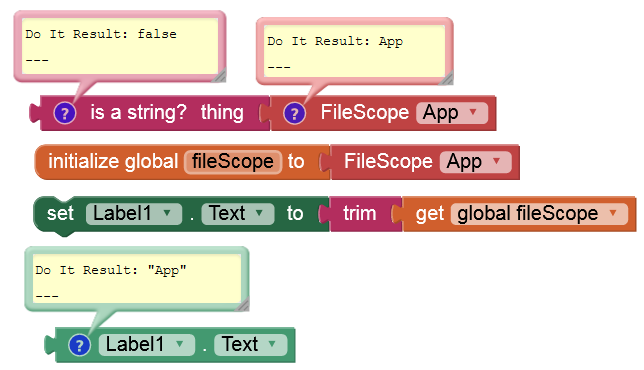
The function of FileScope is to determine the respective path of the File component.

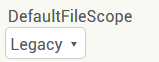
And again this has nothing to do with DefaultFileScope (in the designer):
Note: I think this is interesting for everyone too, not just power users, so it should be available on the public forum. Maybe you want to move it there.